
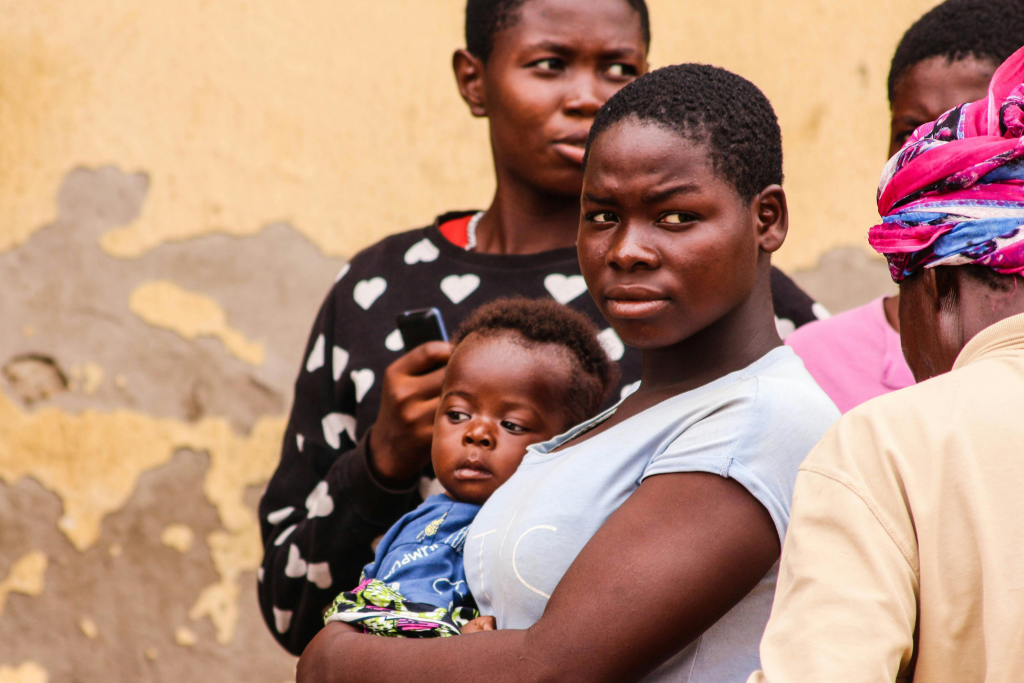
Sexual and reproductive health rights are enshrined in international and regional law — but for millions of women, discrimination, patriarchy, and policy gaps stand between the right and the lived reality.
Women’s Health
The right to self-determination
At the heart of the global conversation on women’s health is a clear and widely accepted principle: women have the right to exercise their sexual and reproductive health and rights (SRHR) as individuals and as part of the broader human rights framework. Central to this is the right to self-determination — the freedom to make informed, autonomous decisions about one’s own body, fertility, and family life.
In theory, this is settled ground. In practice, it is anything but.
When rights meet reality: the role of intersecting inequalities
The extent to which women can actually recognise and exercise their SRHR — particularly when it comes to family planning services — is shaped not by the law alone, but by a web of intersecting discriminatory factors. Sex, gender, age, disability, social status, religion, and social origin all influence a woman’s access to and experience of reproductive healthcare.
“A woman’s ability to exercise her reproductive rights is inseparable from every other dimension of her identity and social position.”
These factors do not operate independently. They are amplified and entrenched by patriarchy — a system that structurally subordinates women and limits their agency in both public and private life. A young woman with a disability in a rural community, for example, faces a vastly different factors that affect access and autonomy than the frameworks universal language might suggest.
The Maputo Protocol: a landmark framework for Africa
A significant step forward in the African context is the African Charter on Human and Peoples’ Rights Protocol on the Rights of Women — commonly known as the Maputo Protocol. This instrument goes beyond simply naming reproductive rights; it provides a framework for their recognition and protection by embedding reproductive justice at its core.
What the Maputo Protocol covers: fertility and family planning, child spacing, the right to raise children in a safe and healthy community, and the need to address the structural inequalities that undermine women’s reproductive autonomy.
Crucially, the Maputo Protocol does not place the burden on individual women to claim their rights in isolation. It places an obligation on States — governments — to actively facilitate the exercise and recognition of SRHR. This is a meaningful shift: from rights as passive entitlements to rights as active State responsibilities.
From regional commitments to national realities
Yet a framework is only as powerful as its implementation. One of the most critical — and frequently neglected — steps is the domestication of regional and international commitments into national legislation and policy. Without this translation from global principle to local law and practice, SRHR remains aspirational for the women who need it most.
“Ratifying a protocol is a promise. Domesticating it into national law is the beginning of keeping it.”
For the realisation of SRHR by all women includes enactment of legislation, allocation of resources, train healthcare providers, and build systems that make reproductive rights accessible — not just to women who are already advantaged, but to every woman, regardless of where she lives, who she is, or how society has positioned her.
The road ahead
SRHR is not a niche issue. It is a foundation of gender equality, public health, and human dignity. Progress requires the necessary will, community engagement, and a genuine commitment to dismantling the structural barriers that continue to place rights out of reach. The frameworks exist. The obligations are clear. What remains is the sustained effort to make them real.