
Uncategorized

gender based violence

Violence Without Borders: Technologically Facilitated Gender-Based Violence and the Path to Accountability in the African context

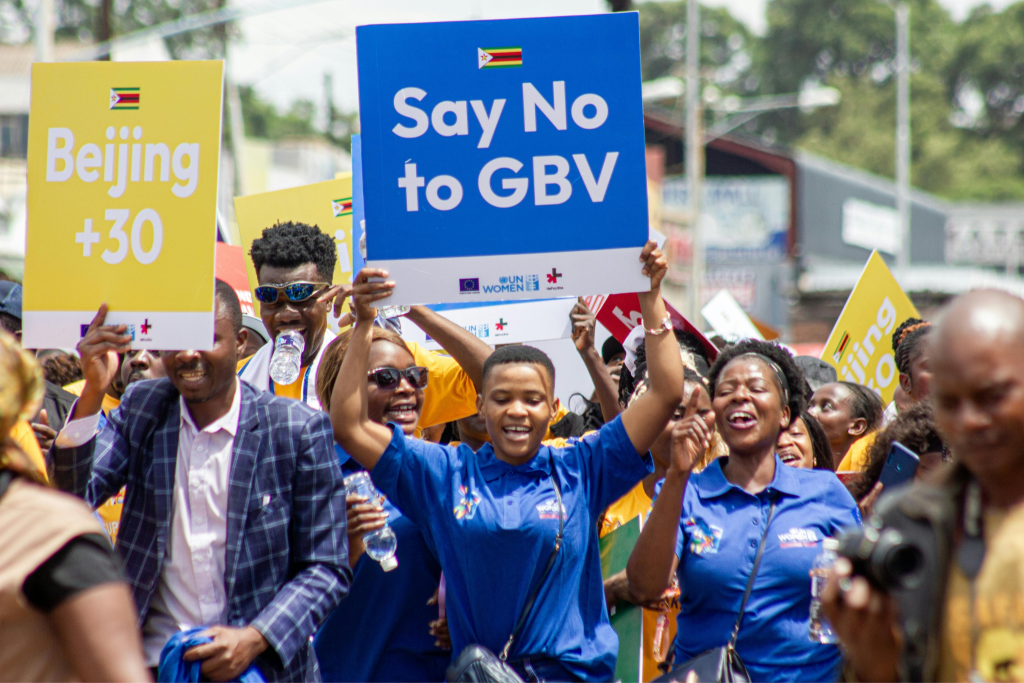
The internet was meant to connect and empower. For women — including women with disabilities — it has become a new arena for gender-based violence. It’s time to name it, understand it, and address it. Technologically Facilitated Gender-Based Violence (TFGBV) is not a new form of violence — it is a new delivery mechanism for deeply rooted patterns of control, humiliation, and harm. Driven by entrenched gender norms, gender stereotyping, and unequal power relations, TFGBV weaponises digital spaces against women in ways that are intimate, public, and often irreversible. Women with disabilities face this violence with compounded vulnerability. Already navigating systemic exclusion and marginalisation, they are disproportionately targeted — yet frequently overlooked in policy responses and support systems designed without them in mind. “Online violence is not separate from real-world violence. It is real-world violence — it just uses a screen.” How TFGBV shows upTFGBV takes many forms, all of which cause serious harm to women’s dignity, safety, and wellbeing. Deep image sharing and non-consensual intimate image distribution — commonly referred to as revenge pornography — strip women of control over their own bodies and reputations. Doxing, the public exposure of private personal information, places women at risk of stalking, harassment, and physical violence. Online verbal and emotional abuse, sexual harassment, and gender bashing — the coordinated targeting of women for their identity or opinions — create a climate of fear that silences women and drives them offline. These are not minor inconveniences. They are violations of the right to dignity and integrity that have lasting psychological, social, and professional consequences. The link to domestic and intimate partner violenceTFGBV does not exist in isolation. It is frequently an extension of domestic and intimate partner violence, with technology serving as a tool of ongoing control and abuse — monitoring movements, sharing images as punishment, or using digital platforms to intimidate and threaten. For survivors trying to leave abusive situations, the digital dimension of violence can make escape feel impossible and safety elusive. “For survivors of intimate partner violence, the abuse does not end when they walk out the door — it can follow them into every device they own.”A rights-based issue, not just a safety issue TFGBV is fundamentally a human rights issue. It violates women’s rights to dignity, privacy, equality, and freedom of expression. Legal frameworks — national and regional — carry an obligation to protect these rights and hold perpetrators accountable. Critically, that protection must extend equally to women with disabilities, whose specific experiences and barriers must be explicitly included rather than assumed. Recommendations 1. Strengthen and enforce legal frameworksEnact specific legislation criminalising TFGBV — including non-consensual image sharing, doxing, and online harassment — with clear definitions, proportionate penalties, and accessible reporting mechanisms for all women, including those with disabilities. 2.Require social media and digital platforms to implement robust, accessible reporting tools, swiftly remove harmful content, and adopt transparent moderation policies that recognise TFGBV as a distinct category of harm requiring urgent response. 3.Invest in education and awarenessIntegrate digital safety and gender equality into school curricula and community programmes. Challenge the gender norms and stereotypes that normalise online violence, and equip young people with the tools to recognise and resist it. 4. Expand survivor-centred support servicesFund and scale psychosocial, legal, and digital support services for survivors of TFGBV. Ensure that services are trauma-informed, confidential, and equipped to address the intersection of online and offline violence, including where it overlaps with domestic abuse. 5. Centre women with disabilities in all responsesExplicitly include women with disabilities in TFGBV policy design, data collection, and service delivery.
Violence Without Borders: Technologically Facilitated Gender-Based Violence and the Path to Accountability in the African context Read More »

women reproductive health

More Than a right on paper — Women, sexual and reproductive health rights and the fight for real lived experiences

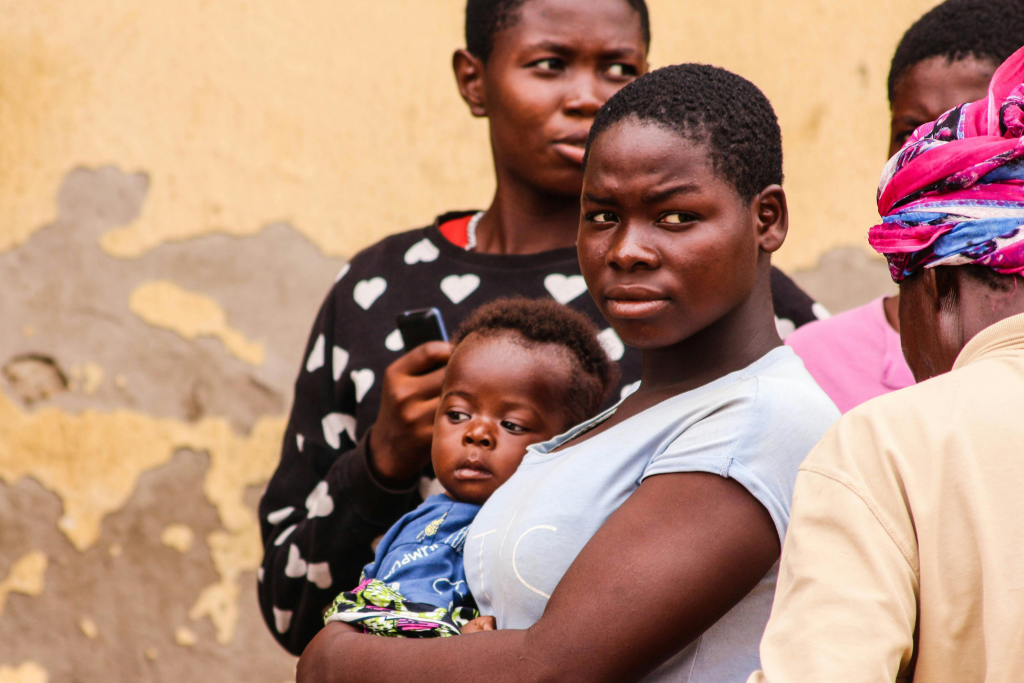
Sexual and reproductive health rights are enshrined in international and regional law — but for millions of women, discrimination, patriarchy, and policy gaps stand between the right and the lived reality. Women’s HealthThe right to self-determination At the heart of the global conversation on women’s health is a clear and widely accepted principle: women have the right to exercise their sexual and reproductive health and rights (SRHR) as individuals and as part of the broader human rights framework. Central to this is the right to self-determination — the freedom to make informed, autonomous decisions about one’s own body, fertility, and family life. In theory, this is settled ground. In practice, it is anything but. When rights meet reality: the role of intersecting inequalitiesThe extent to which women can actually recognise and exercise their SRHR — particularly when it comes to family planning services — is shaped not by the law alone, but by a web of intersecting discriminatory factors. Sex, gender, age, disability, social status, religion, and social origin all influence a woman’s access to and experience of reproductive healthcare. “A woman’s ability to exercise her reproductive rights is inseparable from every other dimension of her identity and social position.”These factors do not operate independently. They are amplified and entrenched by patriarchy — a system that structurally subordinates women and limits their agency in both public and private life. A young woman with a disability in a rural community, for example, faces a vastly different factors that affect access and autonomy than the frameworks universal language might suggest. The Maputo Protocol: a landmark framework for Africa A significant step forward in the African context is the African Charter on Human and Peoples’ Rights Protocol on the Rights of Women — commonly known as the Maputo Protocol. This instrument goes beyond simply naming reproductive rights; it provides a framework for their recognition and protection by embedding reproductive justice at its core. What the Maputo Protocol covers: fertility and family planning, child spacing, the right to raise children in a safe and healthy community, and the need to address the structural inequalities that undermine women’s reproductive autonomy.Crucially, the Maputo Protocol does not place the burden on individual women to claim their rights in isolation. It places an obligation on States — governments — to actively facilitate the exercise and recognition of SRHR. This is a meaningful shift: from rights as passive entitlements to rights as active State responsibilities. From regional commitments to national realities Yet a framework is only as powerful as its implementation. One of the most critical — and frequently neglected — steps is the domestication of regional and international commitments into national legislation and policy. Without this translation from global principle to local law and practice, SRHR remains aspirational for the women who need it most. “Ratifying a protocol is a promise. Domesticating it into national law is the beginning of keeping it.”For the realisation of SRHR by all women includes enactment of legislation, allocation of resources, train healthcare providers, and build systems that make reproductive rights accessible — not just to women who are already advantaged, but to every woman, regardless of where she lives, who she is, or how society has positioned her. The road ahead SRHR is not a niche issue. It is a foundation of gender equality, public health, and human dignity. Progress requires the necessary will, community engagement, and a genuine commitment to dismantling the structural barriers that continue to place rights out of reach. The frameworks exist. The obligations are clear. What remains is the sustained effort to make them real.

More Than a right on paper — Women, sexual and reproductive health rights and the fight for real lived experiences Read More »

cost unpaid care work

The cost of unpaid care work for African women

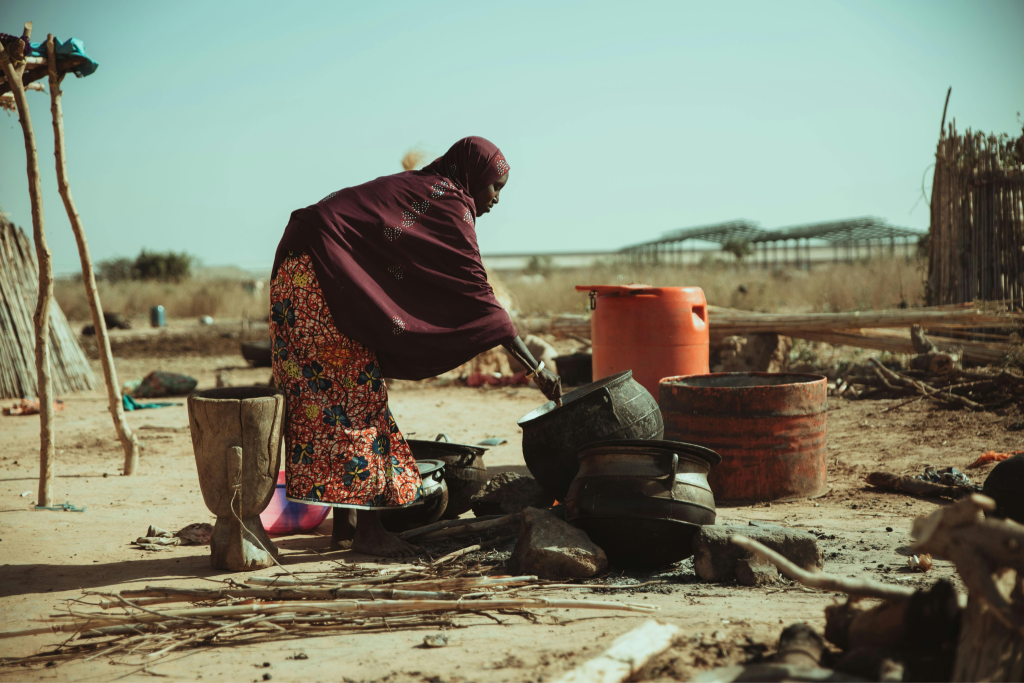
Unpaid care work — cooking, cleaning, raising children, caring for the elderly and sick — is one of the most significant contributions to the global economy. Yet despite this immense value, it remains largely invisible. It is not measured in GDP, not reflected in national accounts, and not rewarded with income or recognition. This invisibility is not accidental. It is a product of systems designed to overlook it. Systems that acknogwledge a woman’s worth with how much she can provide care for others-free. “Unpaid care work is hidden, not accounted for — and this continues to perpetuate gender inequalities.” Patriarchy and the burden of traditional roles.Unpaid care and domestic work are deeply entangled with traditional gender roles. Rooted in patriarchal structures, these roles have long relegated caregiving to women — treating it as a natural extension of womanhood rather than as labour deserving of value. This is not merely historical. It is a present reality that shapes how time, resources, and opportunities are distributed between women and men every single day. Intersectionality: when inequalities compoundThe burden is not felt equally by all women. The intersection of social identities — including race, class, disability, and geography — compounds the discrimination and oppression that women face. A low-income woman in a rural area, for example, may carry a far heavier load of unpaid care than her more privileged counterparts, with even less support and fewer alternatives. Addressing unpaid care work demands that we recognise these layered inequalities, not flatten them. A web of consequencesThe effects of unpaid care work do not exist in isolation. They ripple outward, intersecting with access to employment, public service delivery, gender-based violence, and the exercise of sexual and reproductive health rights. When women are tied to the home by care responsibilities, their economic independence, safety, and autonomy are all diminished. These are not separate issues — they are deeply connected threads in the same fabric of inequality. Legal frameworks: necessary, but not sufficientAt the national, regional, and international level, legal frameworks exist that recognise women’s roles and seek to protect their rights within the context of unpaid care and domestic work. These are vital foundations. But law alone cannot dismantle structural inequality. Legal frameworks must be complemented by policies and programmes that go further — that actively recognise, reduce, represent, reward, and redistribute unpaid care work. “Recognise, reduce, represent, reward, redistribute — the five R’s that must guide any meaningful policy response.” What meaningful change looks likeReal progress requires moving beyond acknowledgment to action. This means investing in public infrastructure that reduces care burdens — quality childcare, elder care, and accessible healthcare. It means redesigning workplace policies so that caregiving is not a career penalty. It means ensuring women’s voices shape the policies that affect their lives. And it means fundamentally questioning who is expected to do the caring — and why. Unpaid care work is more than a women’s issue. It is a societal issue. It is about gender equality.

The cost of unpaid care work for African women Read More »